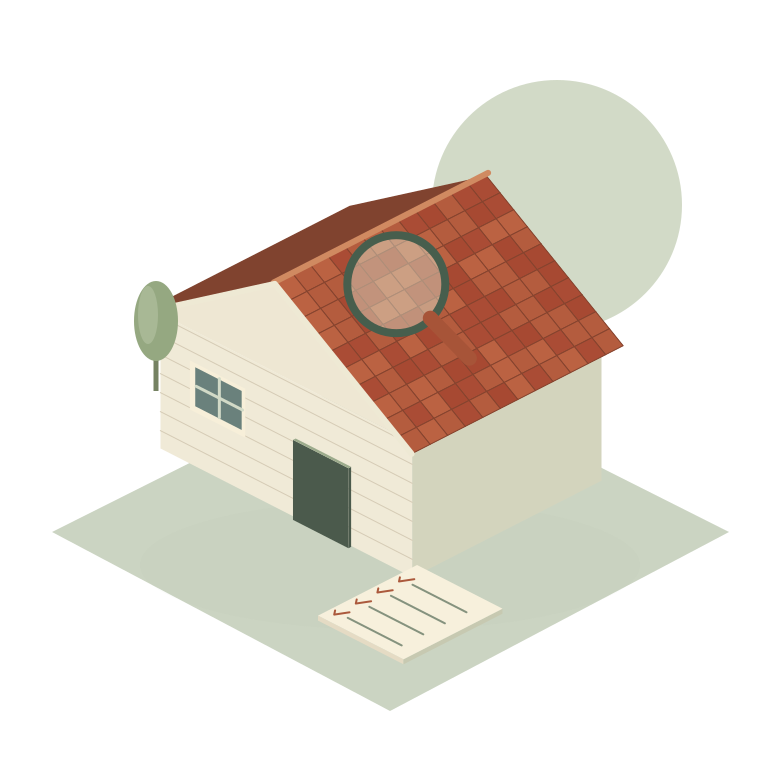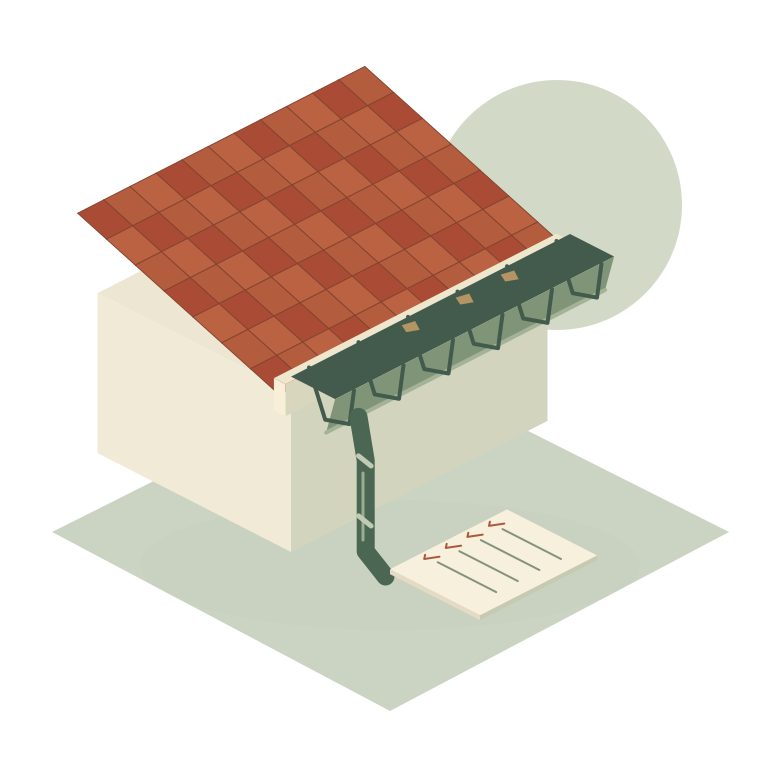
What is the moss affecting?
Moss may be a visual concern, a source of falling debris or part of a drainage problem. Those are different reasons to consider action. Growth alone does not prove the roof is defective or that a full clean is the best next step.
Check the roof before cleaning
Check the covering and details before selecting a method. Fragile or deteriorated materials may be vulnerable to disturbance. Existing leaks need investigation on their own merits; removing moss does not establish that the roof is otherwise sound.
Choose a compatible removal approach
A suitable approach depends on the material, condition and manufacturer guidance where available. Aggressive methods can be inappropriate for some coverings. Ask how access, neighbouring areas, treatment products and any environmental considerations will be managed for the proposed work.
Manage debris and follow-up
Debris should not simply be displaced into gutters or outlets. Clarify how collection and associated checks are included. If defects become visible during the work, record and assess them separately rather than assuming cleaning has repaired them.
Prepare a moss removal enquiry
Explain whether appearance, falling moss or blocked drainage is the main concern. Provide safe photographs and the roof material if known. Ask for the proposed method, its suitability and the limits of what the work is intended to achieve.
Your questions, answered.
Does moss always need removing from a roof?+
No. Assess the effect of the growth and the condition of the roof before deciding on removal.
Can pressure washing damage roof coverings?+
It can be unsuitable for some coverings. The method needs checking against the material, condition and relevant guidance.
Will removing moss stop every roof leak?+
No. Leaks may arise from defective materials or details that require a separate repair.