Safety and evidence after the event
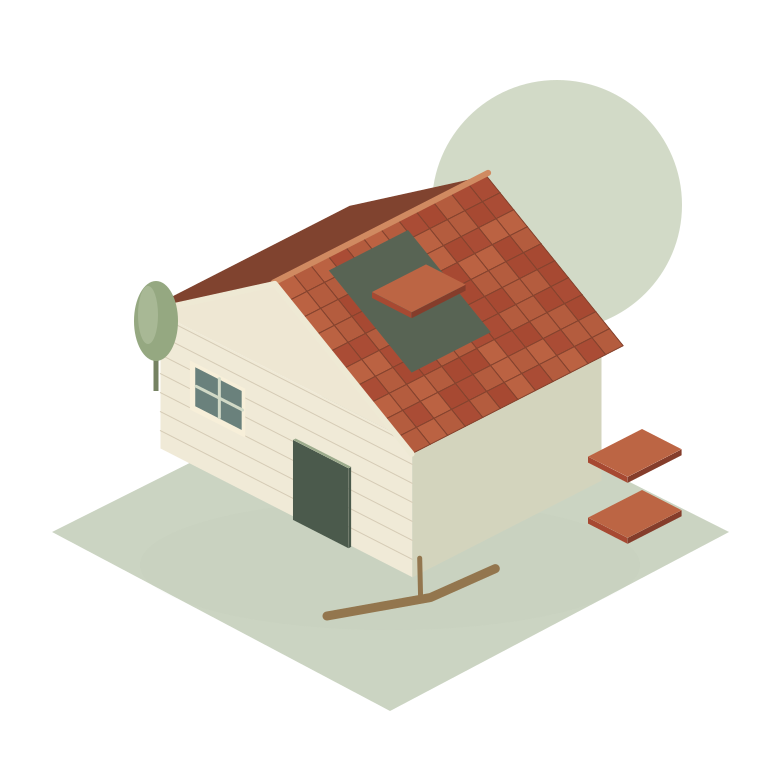
Keep people away from loose materials and avoid walking under affected eaves. Record the date, conditions and visible damage safely. If insurance may be involved, ask the insurer about their evidence and authorisation requirements; do not assume a particular repair will be covered.
Assess the full repair scope
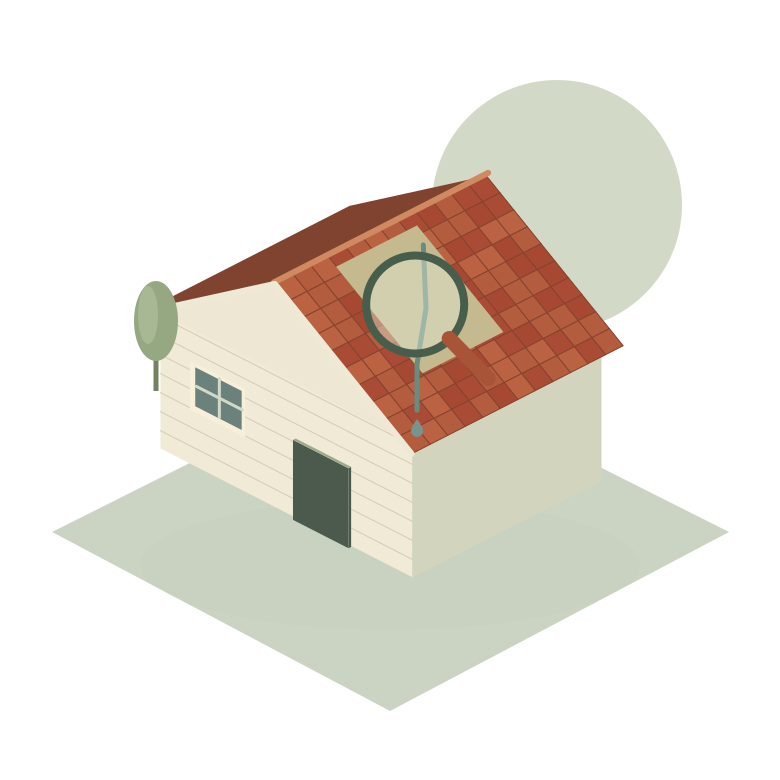
The assessment should check adjacent coverings, fixings, junctions and signs of damage below the surface. Matching replacement materials is part of the scope. Impacts or visible movement may require a structural opinion before routine roofing repairs proceed.
Temporary measures and reinstatement
Temporary measures address exposure while permanent repairs are planned. Weather, access and the stability of damaged areas affect what can safely happen first. A quotation should separate temporary work from reinstatement and identify anything still awaiting inspection.
Discuss the repair request
Explain what changed, any active ingress and whether temporary work has already been done. Include safe photos and insurer instructions where relevant. Keep the enquiry focused on the observed damage rather than assuming a complete roof replacement is necessary.
Your questions, answered.
Should I photograph the damage before work starts?+
Yes, where photographs can be taken safely. Record the date and retain any related correspondence or temporary-work records.
Can storm damage extend beyond missing tiles?+
Yes. Adjacent fixings, underlay, junctions or supporting parts may also be affected and need assessment.
Should I speak to my insurer before permanent repairs?+
Ask your insurer about its requirements if you intend to claim. Do not assume coverage or approval from the roofing enquiry alone.