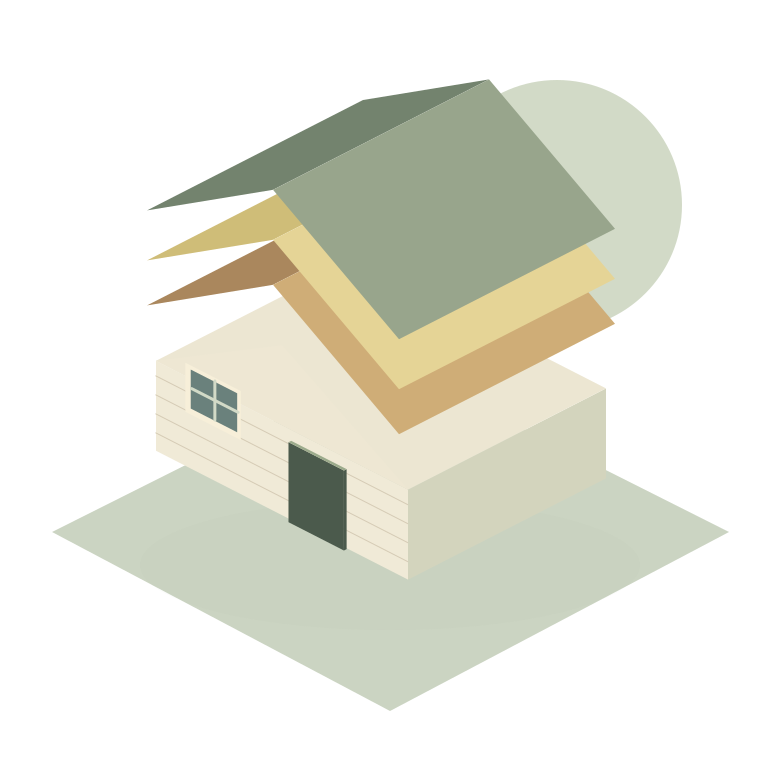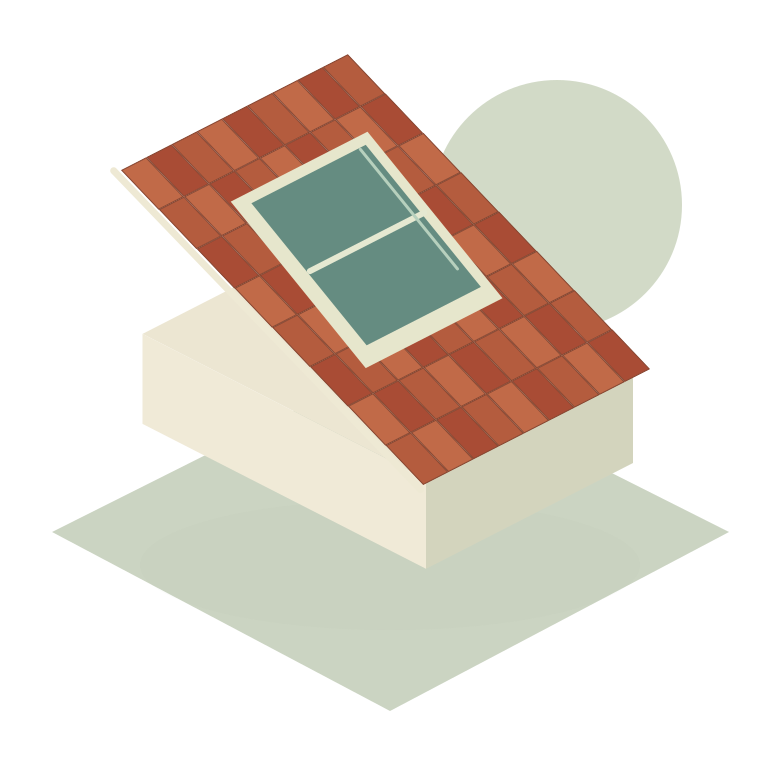
Define the daylight or ventilation goal
Consider which room needs light, when it is used and whether an opening window is important. Position affects the experience inside as well as the outside roof. Access for operation, shading and future care are useful parts of the initial discussion.
Choose the position and roof-compatible type
Pitched roof windows and flat rooflights use different arrangements. The selected product must suit the roof geometry and covering. Compare the actual installation requirements, not just the size of the glazed area or a catalogue photograph.
Understand the opening and weatherproofing
A new opening may affect supporting members and always introduces weatherproofing details. Appropriate support, flashing, insulation and drainage around the opening must be coordinated. Structural changes need the right design input before installation begins.
Clarify the full installation scope
Clarify who handles the roof opening, internal lining, decoration and any electrical work. Establish relevant planning or building-control requirements for the property, particularly where protected status applies. A roofing quotation should make those boundaries clear.
Prepare your roof window enquiry
Prepare room and roof photographs, the preferred position and any drawings. Explain the daylight or ventilation goal rather than choosing a size in isolation. Include the surrounding interior finish in the discussion so the full project is understood.
Your questions, answered.
Can a roof window be added to an existing roof?+
Potentially, subject to roof condition, structure, product suitability and the requirements for the property.
What differs between a pitched roof window and a flat rooflight?+
They differ in mounting and weatherproofing arrangements, and each must suit the particular roof form.
Does the quote include interior finishing around the opening?+
Only if it is included in the agreed scope. Ask who handles lining, decoration and any electrical work.